
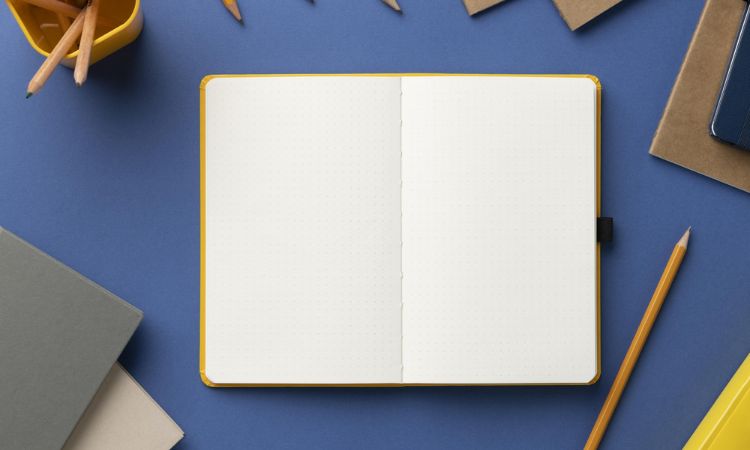
People still reach for a journal book even with phones, apps, and digital planners everywhere. Writing things down feels different. A quick note during a meeting, a late-night idea, or a personal goal written on paper often stays clearer in your mind.
The challenge starts when you try to choose one. Some book journals work better for structured office notes. Others feel more natural for daily reflection, creative writing, or travel journaling. Even small details like page layout, cover style, and journal size can change how you actually use it.
A journal that looks good on a shelf may not fit into your daily routine. At the same time, a simple notebook with the right structure can become part of your workday, planning habits, or personal writing practice for years.
This guide breaks down what makes the best journal books useful for different situations. You will learn how to compare styles, understand journal book cover options, and choose a format that fits the way you think, write, and stay organized.
Table of Contents
What Is a Journal Book and Why Do People Use It?
A journal book usually starts as something simple. You buy one for a specific reason, use a few pages, and then keep coming back to it without thinking much about it. After a while, the same book holds weeks, months, or sometimes years of writing in one place.
That is what separates journals from ordinary notebooks. Many notebooks collect temporary information. A journal feels more continuous. People tend to use it with more consistency because the pages connect to an ongoing habit, routine, or part of daily life.
Writing by hand also changes the experience for many people. Notes feel easier to remember. Thoughts feel less rushed. Even a short entry can feel more focused without screens, tabs, or notifications pulling attention elsewhere.
Some people write in journals every day. Others only open them occasionally when they need clarity, space to think, or a place to keep important ideas together. There is no single right way to use a book journal, which is part of the reason these notebooks remain useful across different age groups and professions.
Over time, people usually care less about filling pages perfectly and more about finding a journal that appears comfortable to return to regularly. From there, the smaller details begin to matter more.
What Features Matter in a Good Journal Book?
People often focus on the design first. The color looks nice, the cover feels premium, and the journal photographs well online. Then, a few weeks later, small frustrations start showing up during daily use.
The pages may look too thin, and the size becomes awkward to carry. The cover bends at the corners after spending time inside a backpack. That is usually when people realize the best journal books are built around comfort and usability, not appearance alone.
Paper Quality and Writing Comfort
Paper affects the writing experience immediately. Some journals appear smooth and easy to write in for long periods. Others start showing ink marks, smudges, or rough texture after only a few pages. This becomes easier to notice with heavier pens or longer writing sessions. A journal that works fine for quick notes feels uncomfortable during regular daily writing. Many people ignore paper quality during the buying process, then pay attention to it closely once they start using the journal consistently.
Journal Book Cover Types
A journal book cover changes how the notebook feels during everyday use. Hardcover journals usually feel firmer and more stable while writing. They also hold shape better over time, especially inside bags or crowded desks. Softcover journals feel lighter and easier to move around with throughout the day.
The choice often comes down to preference instead of one being universally better. The binding style also changes the experience. Spiral journals fold back easily, while stitched journals often feel cleaner and more compact when closed.
Choosing the Right Journal Size
Journal size affects portability, writing space, and overall comfort. Large journals give you more room for longer entries and open layouts, though carrying them daily can become inconvenient. Smaller journals fit easily into bags and travel setups but may feel cramped once pages start filling quickly. Many people eventually settle somewhere in the middle. Medium-sized book journals usually balance writing space and portability without feeling too bulky or too limited.
Understanding Different Page Layouts
Page layout shapes how writing naturally flows across the journal.
Common layouts include:
- Lined pages
- Dotted pages
- Blank pages
- Grid layouts
Some people prefer structure from the beginning. Others want more freedom across the page without fixed lines controlling spacing.
Most users only discover their preference after trying different layouts over time. A format that feels natural encourages more consistent writing, while the wrong layout can quietly make the journal feel less comfortable to use.
Which Journal Books Work Best for Personal Use?
Personal journals rarely stay organized for long. A few pages begin with careful handwriting and clear plans, then slowly turn into scattered notes, crossed-out thoughts, movie recommendations, unfinished lists, or random observations written late at night. That shift happens naturally once the journal becomes part of everyday life instead of a project to maintain perfectly.
Some people keep a journal beside the bed and only open it during difficult weeks. Others carry one for months without writing much, then suddenly fill several pages in a single evening because too many things have been sitting in their heads at once.
Personal journaling usually works best without strict rules attached to it. Many book journals become a mix of different moments collected over time. One page holds a short reminder written in a hurry. Another may contain reflections written slowly on a quiet weekend with no clear structure at all.
That inconsistency is often what makes the journal feel personal. Writing by hand also changes how people sit with their own thoughts. The pace feels slower. There is less pressure to respond instantly, organize everything perfectly, or turn every idea into something polished.
Over time, most people stop worrying about filling pages correctly. They simply return to the journal whenever they need a familiar place to empty their mind for a while.
Which Journal Books Work Best for Professional Use?
Work journals usually fill up faster than people expect. One page holds meeting notes from Monday morning. A few pages later, there is a rough project timeline, a client reminder, or a list of follow-up tasks written quickly between calls.
That kind of usage builds naturally during busy workdays. Many professionals still prefer a journal book for daily notes because writing things down feels immediate. During meetings or planning sessions, it is quicker to jot something down by hand than switch between apps, tabs, and notifications.
A book journal also keeps ongoing work easier to track in one place. Instead of scattered sticky notes or separate documents, conversations and reminders stay connected across pages. That becomes useful during long projects where details start blending after several weeks.
Some journals end up filled with practical shorthand that only makes sense to the person using them. Dates circled in the margins. Questions written beside unfinished tasks. Quick reminders are added during phone calls before the next conversation begins.
Professional journals are rarely perfectly organized. Most become working documents that change constantly throughout the day. The best journal books for professional use usually support that pace without getting in the way of it.
Common Mistakes People Make When Buying Journal Books
Many people realize they chose the wrong journal only after using it for a few weeks. What looks good in a store or online does not always fit naturally into everyday writing habits. Some mistakes are surprisingly common.
Buying a Journal That Feels Too Large
A bigger notebook seems useful at first because of the extra writing space. After a while, carrying it daily starts feeling inconvenient. The journal slowly stays on the same desk or shelf instead of becoming part of a routine.
Choosing Style Over Actual Use
Some journal books look impressive but feel uncomfortable once real writing begins. Heavy decorative covers, unusual layouts, or overly designed pages can become distracting during normal use. People often end up avoiding journals that feel too polished or difficult to use casually.
Expecting Every Page to Look Perfect
This happens often with new journals. The first few pages stay organized. Handwriting becomes more careful. Mistakes get avoided. Then the pressure of keeping everything organized starts making the journal feel less natural to open regularly. Most long-term journal users eventually stop worrying about perfect pages.
Ignoring Everyday Writing Habits
A journal may work well for one person and feel completely wrong for someone else. Some people prefer quick, short entries. Others write several pages at a time. Buying a journal without thinking about those habits often leads to frustration later.
Following Trends Instead of Personal Comfort
Trending layouts and aesthetic journal styles become popular quickly online. That does not mean they work well for daily use. Many people return to simpler book journals after realizing comfort matters more than appearance during regular writing.
Are Hardcover or Softcover Journal Books Better?
The difference between hardcover and softcover journal books usually looks small at first. After a few weeks of carrying the notebook through workdays, travel, meetings, or daily errands, the difference becomes much easier to notice.
Some people like hardcover journals immediately because they feel solid while writing. Others slowly stop carrying them because the extra weight starts becoming inconvenient during everyday use.
Softcover journals create a different experience. They slide easily into backpacks, laptop bags, and smaller spaces without adding much bulk. At the same time, corners bend faster, covers crease more easily, and the notebook starts looking worn after heavy use.
Here is how both styles usually compare in real situations:
| Hardcover Journal Books | Softcover Journal Books |
| Look steadier during meetings or desk work | Easier to carry throughout the day |
| Hold shape better inside crowded bags | Fit more comfortably into smaller spaces |
| Usually handles heavy, long-term use better | Feel lighter during travel or commuting |
| Looks more structured while writing | Bend and wear down faster over time |
Many people also notice their preference changes depending on where the journal spends most of its time. A hardcover book journal may feel better on office desks or classroom tables, while a softcover notebook often feels more practical once it starts moving everywhere with you. A journal that appears perfect while shopping can seem completely different after carrying it through a full workweek.
How To Quickly Choose the Right Journal Book
- A hardcover journal makes more sense if most writing happens at desks, during meetings, or inside classrooms, where the notebook gets opened constantly throughout the day.
- People who carry journals everywhere usually get tired of bulky notebooks faster than expected. Smaller softcover book journals fit more naturally into backpacks, laptop sleeves, and travel bags.
- Long writing sessions need space. Cramped pages become frustrating quickly once entries start running longer than a few paragraphs.
- Dotted and blank layouts leave more room for mixed use. Quick notes, rough sketches, random lists, and uneven writing styles sit more naturally on open pages.
- Some journals look impressive until the first mistake appears on the page. Simpler notebooks are easier to keep using casually without worrying about perfect handwriting or perfectly organized pages.
- Medium-sized journal books end up working best for many people simply because they are easy to carry without sacrificing too much writing space.
Final Thoughts
A good journal book usually becomes useful slowly. The first few pages may stay empty for days, then suddenly fill up during a busy week, an important project, or a moment when writing things down feels easier than keeping everything in your head.
That is why the best journal books are rarely the ones chosen only for appearance. The notebooks people keep using tend to match their real routines, writing habits, and everyday pace without demanding too much structure or attention.
Some journals stay on office desks for years. Others travel through backpacks, classrooms, airports, and late-night work sessions with bent corners and uneven pages. Both can become valuable once the notebook starts fitting naturally into daily life instead of feeling like something that needs to be maintained perfectly.
FAQs
What is the best book for journaling?
The best book for journaling is usually the one you continue using consistently. Many people prefer medium-sized journal books with simple layouts because they work well for daily writing without feeling difficult to carry or maintain.
Which type of journal is the best?
Different journal types work better for different habits. Lined journals suit structured writing, dotted pages support flexible layouts, and blank journals leave more space for sketches, notes, or mixed writing styles.
Is A5 or A6 better for journaling?
A5 journals give more writing space and work well for longer entries or work notes. A6 journals fit more easily into pockets and small bags, which makes them convenient for travel and quick daily writing.
Can journaling lower blood pressure?
Some studies suggest journaling may help reduce stress levels, which can support overall relaxation and heart health over time. Journaling is not a medical treatment, but many people use it as part of a calmer daily routine.