
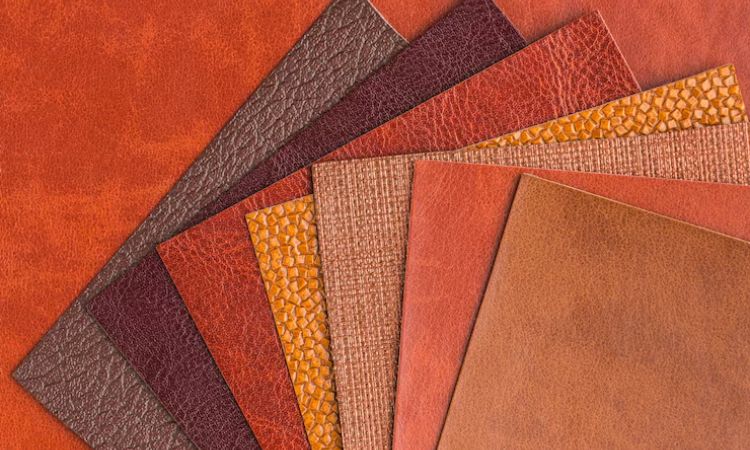
There’s a moment when you sit down at someone’s desk, maybe a lawyer’s office, maybe a senior colleague’s workspace, and something just feels different. It’s not the monitor or the chair. It’s that dark, smooth surface running across the desk. A little worn at the edges. You reach for a pen and notice the material gives just slightly under your hand. That’s what leather pads do. Not in a loud way. Just in a way that makes everything around them look better by comparison.
Now, most people writing notes day-to-day aren’t thinking about this stuff. You grab a yellow legal pad from the supply closet or a spiral notebook from whatever checkout lane, and you get on with it. That’s fine. Nobody’s judging. But if you’ve ever wondered whether leather pads are genuinely worth the difference in cost or if it’s just an aesthetic thing, this piece is going to answer that honestly.
Table of Contents
So, What Actually Are Leather Pads?
The term gets used loosely, so it’s worth being specific. Leather pads refer to a category of writing and desk accessories where leather is the primary material, not decorative trim, not a faux finish, but actual leather that forms the structure of the thing.
That includes:
- A leather desk pad with a wide surface liner that sits across your entire desk
- A leather mouse pad, smaller, usually sits beside your keyboard
- A leather legal pad holder, a firm case built around a standard yellow legal pad
- Leather Legal Pads portfolio, more of a folio setup, with room for documents, cards, and notes
- Desk pads with leather surface covers are used in offices, conference rooms, and law firms
These aren’t the same product. Each one solves a different problem. But they share one thing: real leather, which behaves very differently from the cardboard-and-paper stack you’d pick up at a drugstore. Unlike standard writing pads, paper blocks glued to a thin card backing, leather pads have a structure. Weight. Stability. They don’t curl up at the corners after a week.
The Material Itself: What Changes When It’s Leather
Let’s be honest about what standard pads are. Paper pulp, a cardboard rectangle, maybe a wire spiral if you’re feeling fancy. They work. Nobody said they don’t. But they’re also not designed to do anything except hold pages together. Leather pads are made from treated hide, most often cowhide, that’s been tanned and finished specifically to withstand regular daily use without falling apart. It’s dense. It’s resistant to surface damage in a way that cardboard never will be.
Stability when writing
Cheap pads slide around. The cardboard flexes when you press too hard. On leather, you get a consistent surface that absorbs pen pressure evenly, which sounds minor until you’re signing something important and the paper buckles under your hand.
It handles spills
If you knock a coffee over a standard notepad, that’s the end of whatever was on those pages. A quality leather desk pad? You blot it, wipe it down, maybe condition it later. Done. The surface treatment on most good leather repels moisture well enough that the occasional desk disaster stays a minor inconvenience rather than a total loss.
The texture actually matters
Leather has a slight give to it. Not soft, just not hard. This is especially relevant with a leather mouse pad, because plastic and foam pads are unforgiving after a few hours. Leather conforms a little. Your wrist notices that over a long workday, even if your brain doesn’t consciously register it.
How Long Does It Actually Last?
This is where the math starts to make sense if you were on the fence about the price. A standard writing pad runs out. A couple of weeks, a couple of months, depending on how much you write. Then you toss the cardboard, buy another one. Multiply that over five years, and you’ve spent a reasonable amount of money on a product you’ve thrown out dozens of times. A decent piece of leather, kept reasonably clean, lasts for years. Easily. The high-end desk pads, leather pieces you see in old offices, those things have been there since the previous owner. Real leather develops a patina as it ages, which is basically the material wearing in rather than wearing out. It gets a little darker, a little richer looking. Some people specifically buy older leather goods because of this.
The leather legal pad holder makes this especially clear. When the paper runs out, you take out the old pad and put in a new one. The leather doesn’t go anywhere. You’re not throwing away the whole thing, only the paper, which costs almost nothing. That’s a fundamentally different relationship with the product than “use until empty, discard, repeat.” For something you use every single workday, longevity matters. Leather pads aren’t a luxury when you consider the cost per use over a few years. They’re usually cheaper in the long run than buying replacement pads perpetually.
Does It Actually Look Better?
The appearance question is real, and it’s fair. Showing up to a client meeting with a well-worn leather legal pad portfolio does look more put-together than a ratty spiral notebook. That’s true, and everyone in the room knows it, even if nobody says so. But here’s the thing: it’s less about looking expensive and more about looking like you pay attention. People who use a leather desk pad tend to have desks that look organized because the pad provides a visual anchor for the workspace.
Everything on the desk exists in relation to it. Pens, phone, laptop, they all look intentional when they’re sitting on leather. Interior designers talk about desk pads and leather as a low-effort, high-return desk upgrade. That’s not wrong. A surface liner changes the feel of an entire desk without requiring you to buy new furniture or reorganize anything. But I’d push back slightly on framing all of this as “professional image.” That makes it sound like performance. The actual experience of sitting at a leather-covered desk every day is just… nicer. Whether or not anyone else sees it.
The Practical Features You Don’t Get with a Regular Notepad
There are a few features you get with leather pads that are way more useful than with regular ones. Still, this is the part people overlook when they think leather pads are purely about looks.
Storage built in
Most leather legal pad portfolio designs have interior pockets, usually one or two document sleeves, card slots, and sometimes a pen loop. You’re carrying a lot more than paper. Meeting notes, business cards, a printed agenda, and receipts you need to expense, a good portfolio handles all of it without you adding a second bag.
Refillable
Worth saying again: the leather legal pad holder format means only the paper is disposable. That’s a meaningfully different product logic from standard pads.
It stays put
Good leather pads use a suede or felt backing that grips the desk. Standard cardboard pads have nothing on the underside; they skate around the moment you apply pressure. With leather, you write, and the thing doesn’t move.
Wrist comfort over time
A proper leather mouse pad has a slight cushion that hard, flat pads don’t. It’s not dramatic. But sit at a desk for 8 hours, and small ergonomic differences accumulate.
What Writing on Leather Actually Feels Like
This is subjective, and I won’t pretend otherwise. But there’s something about writing on a firm leather-backed surface that makes the act feel more deliberate. The material has resistance. Your pen doesn’t feel like it’s going through tissue paper held up by nothing. People who switch to leather pads often say they find themselves writing by hand more often.
Not because the leather magically fixes anything, but because a well-made tool makes you want to use it. That’s true of good pens, good notebooks, good anything. You don’t need a $400 pen to write well, but a $400 pen will make you want to write more. Same principle here. Standard pads are disposable by design. There’s nothing wrong with that. But disposable things rarely make you want to slow down and use them properly.
Who Should Actually Buy These?
Leather pads aren’t for everyone, and there’s no shame in that. If you’re scribbling quick notes, making grocery lists, or brainstorming in a coffee shop, a regular pad is completely fine. Cheaper, lighter, easier to replace. But if you sit at a desk for serious hours every day, if you attend meetings where showing up prepared matters, if you actually enjoy writing by hand and want the experience to feel worth the effort, then leather pads make sense.
Lawyers, consultants, writers, and executives who take handwritten notes are the obvious fits. The leather legal pad holder and leather legal pad portfolio are practically standard in law offices because they last and they travel well. Remote workers building a home office also have strong reasons to consider them. When your office is your bedroom or kitchen table, making it feel like a real workspace isn’t vanity; it actually affects how you work.
What to Look for When You’re Buying
Don’t get swayed by “genuine leather” labels. That phrase legally covers bonded leather, which is basically leather scraps glued together and isn’t particularly durable. Full-grain or top-grain leather is what you want for quick, practical notes.
For your desk
For your desk, a full leather desk pad sized to your actual work surface. Measure first. Common sizes run 24″x14″ to 36″x17″.
For meetings
They are the best for meetings, as a leather legal pad portfolio features a zippered edge and document pockets. One that fits a standard legal pad without the paper flopping around.
For daily note-taking
It is safe to say that they come in very handy for daily note-taking, as a leather legal pad holder offers a refillable insert and at least one pen loop.
For your computer setup
When it comes to computer setup, a leather mouse pad that matches your desk pad tone would be best if you want an aesthetic touch for your workspace, or just pick whatever color you won’t get tired of in two years.
Keep in mind that when buying any leather pads, look at the stitching on the edges. If it looks rushed or the threads are already fraying on a display model, skip it. The stitching on leather goods tells you more about quality than almost anything else.
Final verdict
To sum this up, leather pads won’t make you write better. They won’t organize your life or fix a chaotic schedule. Those expectations are on you. What they will do is give you a work surface and writing tools that hold up, feel good to use every day, and age better than anything made of cardboard ever will. They’re the kind of thing where once you’ve used one for a few months, the idea of going back feels like a step backward that has nothing to do with snobbery; it’s just that the difference is obvious once you’ve felt it. So are they worth it? If you spend real time at a desk and you want something that lasts, yes. Pretty simply, yes. Buy a good one once, and you won’t be looking at replacements for a long time.
Frequently Asked Questions
What are the leather pads made of?
Leather pads have real or synthetic leather covers and give a more premium look and greater durability than standard cardboard or paperboard pads.
Leather pads, are they more durable?
Yes. Leather wears, bends, and tears better, so these pads are suitable for long-term professional use.
Do leather pads make writing more comfortable?
Leather pads are preferred by many users as they are smoother and firmer. They provide a stable surface for writing neatly and comfortably during meetings or daily work.
Are leather pads suitable for offices?
Certainly, their elegant finish complements desks, conference rooms, and executive spaces without compromising practical functionality.
Why are leather pads more costly?
Leather materials with detailed stitching and quality craftsmanship add to production costs but also bring style longevity and value.